The Strait of Hormuz is once again at the center of global attention after reported US strikes on Iranian military-linked targets coincided with renewed diplomatic momentum between Washington and Tehran.
The developments come as Iran-US nuclear talks appear to be entering a sensitive phase, with negotiators working toward a ceasefire framework that could reopen one of the world’s most important energy corridors and create space for a broader nuclear settlement.
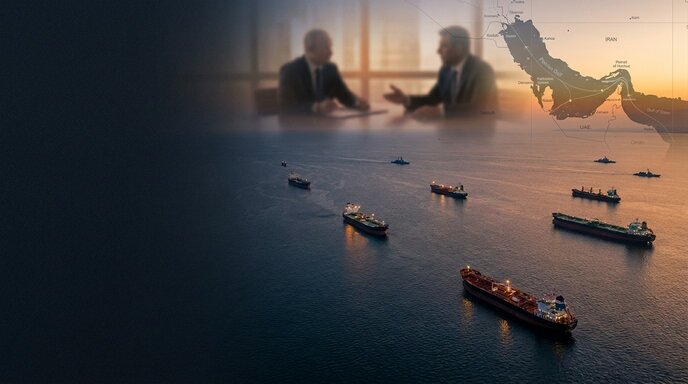
According to recent reporting, diplomatic efforts in Doha are focused on extending a fragile ceasefire, reopening maritime traffic through the Strait of Hormuz, and addressing Iran’s enriched uranium stockpile. Reuters reported that both sides have discussed a memorandum of understanding that could halt hostilities and open a 60-day window for final negotiations. Reuters
Why the Strait of Hormuz Matters
The Strait of Hormuz is not just a regional waterway. It is one of the most important energy chokepoints in the world.
The US Energy Information Administration has described the Strait of Hormuz as a critical route for global oil supply. In 2024, about 20 million barrels per day of oil flowed through the strait, equal to roughly 20 percent of global petroleum liquids consumption. EIA
That explains why any military activity near the waterway quickly affects global markets. A disruption in the Strait of Hormuz can influence oil prices, shipping insurance, fuel costs, food prices, and broader inflation pressures.
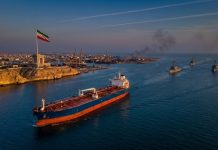
Recent reports show that shipping activity through the area remains closely watched. The Financial Times reported that two LNG tankers and a crude oil tanker recently passed through the waterway, suggesting limited but important movement as negotiations continue. Financial Times
What Happened in the Reported US Strikes
The latest escalation reportedly involved US military strikes on targets in southern Iran connected to threats against shipping and American forces.
Reuters reported that global oil prices rose after US military strikes in southern Iran added uncertainty to peace talks. The report linked the market reaction to concerns over the Strait of Hormuz and wider regional supply risks. Reuters
Other reports said US action targeted mine-laying boats, missile-related positions, and military infrastructure believed to threaten commercial vessels and US assets operating near the Gulf.
The draft account identified several locations, including Bandar Abbas, Kish Island, Larak Island, Sirik, and Jask. These areas sit close to key maritime routes and military facilities connected to Iran’s Gulf posture.
Washington has framed the strikes as defensive, aimed at protecting forces and preserving freedom of navigation. However, even limited military action in the Strait of Hormuz can increase uncertainty because the waterway is central to global oil and LNG flows.
Also Read: Iran’s Supreme Leader Hidden in Secret Location as Courier Network Slows U.S. Deal Talks
How the Strikes Affect Iran-US Nuclear Talks
The timing of the strikes is especially important.
Negotiations were already moving through a difficult stage, with reports pointing to progress on a possible framework agreement. Reuters reported that Iranian officials met Qatar’s prime minister in Doha as diplomatic efforts continued over a possible agreement with the United States.
At the same time, Iran has publicly played down claims that a deal is imminent. The Guardian reported that Iranian officials acknowledged progress on some issues but warned that talk of a near-final agreement was premature. The Guardian
This creates a delicate situation. The United States wants guarantees on Iran’s nuclear program and maritime behavior. Iran wants relief from pressure, access to frozen funds, and a path toward economic recovery.
The result is a negotiation shaped by both diplomacy and force. Military pressure may push the parties toward agreement, but it can also create fresh risks if either side believes the other is acting in bad faith.
The Uranium Stockpile Issue
The nuclear question remains the most difficult part of the talks.
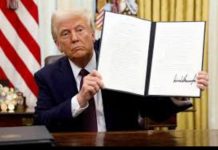
Reports indicate that Washington is pressing for strict limits on Iran’s enriched uranium stockpile. Iran International reported that President Donald Trump said Iran’s enriched uranium must either be destroyed or handed over to the United States for destruction, with international oversight also discussed as part of the process. iranintl
This issue matters because uranium enrichment has been at the center of Iran-US tensions for years. For Washington, any agreement must reduce the risk of Iran moving closer to nuclear weapons capability. For Tehran, the issue touches national sovereignty, scientific development, and political legitimacy.
A workable agreement would likely require inspection, verification, and a clear process for handling existing stockpiles. Without that, even a temporary ceasefire around the Strait of Hormuz may not lead to a durable settlement.
Qatar’s Role in the Negotiations
Qatar has emerged as one of the key diplomatic channels in the current talks.
Reuters reported that a Qatari negotiating team traveled to Tehran in coordination with the United States to help secure a deal to end the war and resolve outstanding issues. The report also noted Qatar’s unique position as both a US ally and a trusted back-channel with Tehran. Reuters
Your draft referenced a possible humanitarian and reconstruction package connected to the talks. While humanitarian assistance and asset access are clearly part of the broader diplomatic conversation, I could not verify the exact $2 billion figure from a strong public source during research.
What can be reported more confidently is that financial relief, frozen assets, and reconstruction needs appear to be part of the wider negotiation environment. Iran International reported that Iranian negotiators were demanding access to frozen funds held in Qatar as part of the memorandum of understanding stage. iranintl
Economic Pressure on Both Sides
The Strait of Hormuz crisis is not only a military issue. It is also an economic pressure point.
For Iran, restrictions around the Gulf and pressure on ports can deepen economic hardship, limit exports, and complicate reconstruction. For the United States, higher oil prices can create domestic political pressure and affect consumers through fuel and transportation costs.
Reuters reported that oil prices moved higher after the latest strikes because traders feared renewed uncertainty around peace talks and shipping through the region. Reuters
The UAE is also closely tied to the crisis because of its position in Gulf energy logistics. Reuters reported that ADNOC’s chief executive warned full oil flows through the Strait of Hormuz may not return until 2027, even if the conflict ends immediately. Reuters
That warning shows how long the economic aftershocks could last. Even if a ceasefire is signed, shipping confidence, insurance rates, mine clearance, port access, and energy market stability may take months to normalize.
What Could Happen Next
The most likely short-term outcome is continued negotiation under pressure.
A successful framework could include a 30-to-60-day ceasefire extension, gradual reopening of the Strait of Hormuz, removal of mines or shipping restrictions, and a monitored process for handling Iran’s enriched uranium stockpile.
However, the path remains fragile.
Iran has denied that a final deal is imminent. US officials continue to insist that any agreement must include serious nuclear commitments. Regional actors are watching closely, and oil markets are reacting quickly to every sign of progress or escalation.
The key question is whether both sides can separate tactical military incidents from the larger diplomatic goal. If they can, the current crisis may become a turning point toward de-escalation. If they cannot, the Strait of Hormuz could remain a flashpoint with consequences far beyond the Gulf.
For ordinary citizens across the region, the stakes are bigger than politics. A real agreement could mean lower tension, more stable markets, restored services, and a shift from confrontation to rebuilding.
The coming days in Doha may determine whether the latest strikes become a temporary disruption or the beginning of another dangerous phase.