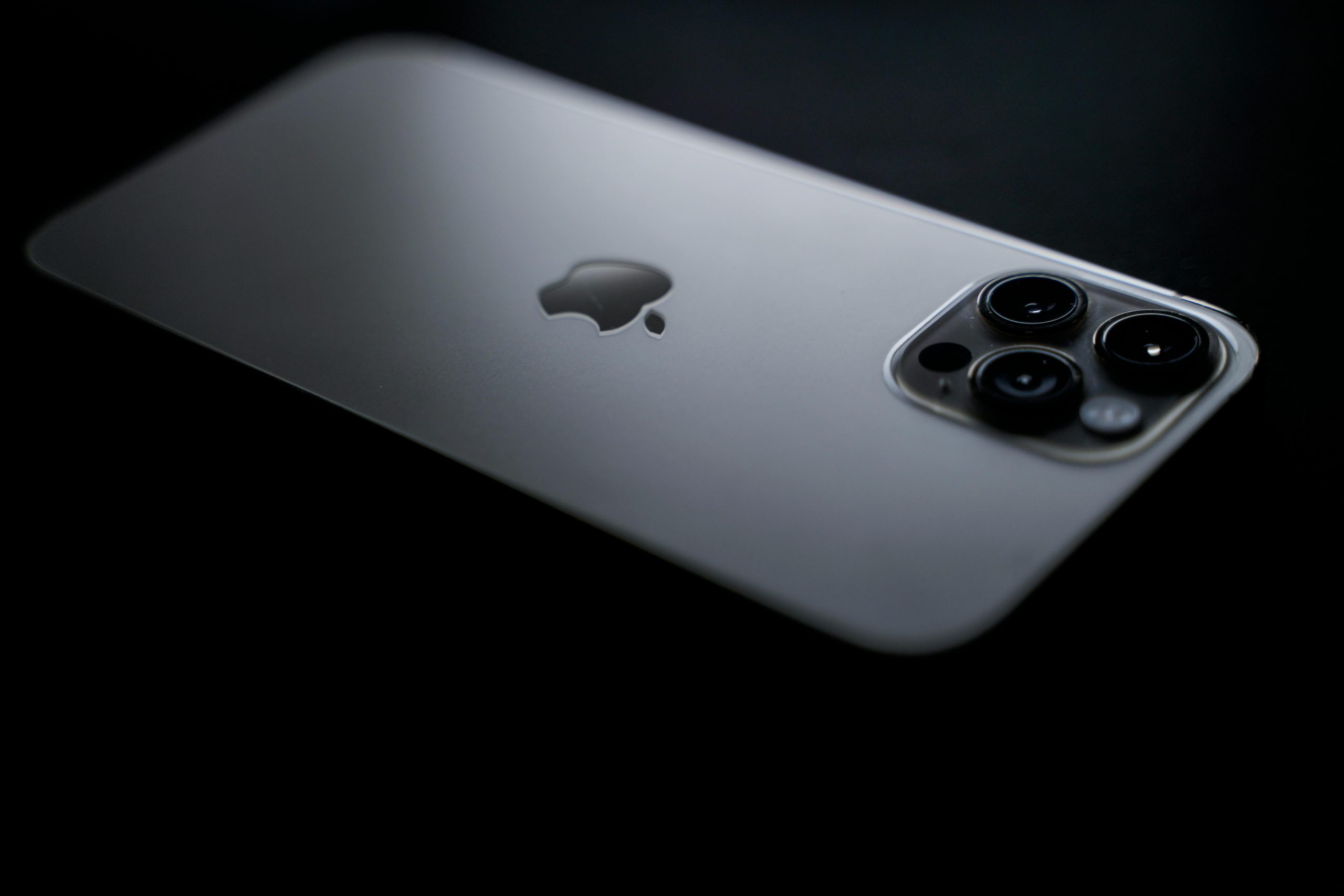
The next generation of Apple’s affordable iPhone lineup is beginning to take shape, and industry analysts are paying close attention. Early information indicates that the iPhone 17e may arrive earlier in the year than the flagship iPhone 17 series, positioning it as a refreshed entry point for users who want Apple hardware at a more accessible cost. While Apple has not confirmed any details, verified supply chain patterns and credible industry reports offer a clearer picture of what Apple could be planning.
This article pieces together what can be independently traced, what aligns with Apple’s historical strategy, and what appears across multiple industry discussions surrounding the iPhone 17e.
The Growing Strategy Behind the iPhone 17e
Apple has steadily expanded its lower tier options to capture more market segments, especially in regions where consumers prefer long term value. The iPhone 17e appears to continue that approach by bringing selected premium features into a more price friendly package.
Industry observers believe Apple wants to strengthen its presence in the mid range market. Manufacturers in Asia dominate this segment with aggressive pricing, and the iPhone 17e may become Apple’s most comprehensive response to that pressure.
Expected Design Direction
Dynamic Island for the Budget Line
One of the most consistent expectations across reports is the possibility that the iPhone 17e will adopt the Dynamic Island display design. This modern front layout, previously exclusive to higher tier models, would replace the traditional notch that older entry models have retained.
Introducing this feature in the iPhone 17e would unify the user interface across more models, streamline Apple’s design language, and offer a more current visual experience for new buyers.
Display Size and Form Factor
The model is expected to retain a 6.1 inch display, a standard size that Apple continues to refine. While there is no confirmed specification for refresh rate, brightness, or glass type, the iPhone 17e is projected to balance durability and clarity without dramatically increasing costs.
Hardware and Chipset Outlook
One of the most discussed possibilities is that the iPhone 17e may use an updated A series processor. Several industry reports suggest Apple may equip the device with the same generation chip used in the standard iPhone 17 models. If this prediction holds, the iPhone 17e would experience a substantial performance leap over previous budget models.
Apple has occasionally introduced newer chips into lower priced hardware to extend device longevity. Applying this strategy to the iPhone 17e would make it one of the most future proof entry tier iPhones released to date.
Camera Technology and Imaging Features
Apple’s camera decisions often set each model tier apart. The iPhone 17e is expected to maintain a single rear camera system, but early technical discussions reference the possibility of a 48 megapixel main sensor. This would significantly elevate the photographic experience compared to earlier budget models.
The device may also offer enhanced video capabilities similar to Apple’s Center Stage technology. These enhancements would support clearer online meetings and more stable recordings, although the exact implementation remains unconfirmed.
Pricing Expectations and Market Impact
Based on Apple’s previous releases, the iPhone 17e is likely to sit within the same pricing range as the 16e in the United States. The company typically keeps its entry tier pricing steady to maintain a predictable upgrade path. For global markets, pricing may vary due to import policies and local economic factors.
Strengthening the lower tier lineup with the iPhone 17e would allow Apple to appeal to students, first time smartphone users within the ecosystem, and buyers who want reliable performance without unnecessary cost.
Release Window and Apple’s Revised Annual Cycle
Many analysts believe Apple may shift part of its release strategy by launching the iPhone 17e in the first half of the year, followed by premium models later. A staggered approach would spread product momentum across multiple quarters and allow Apple to address different customer groups more effectively.
There is also separate industry discussion about Apple preparing a foldable iPhone for late 2026. While unrelated to the iPhone 17e, this indicates that Apple might be planning a broader expansion of device categories in the same calendar year.
What the iPhone 17e Could Represent for Consumers
If the expectations surrounding the iPhone 17e materialize, Apple could redefine what users expect from an entry tier iPhone. The combination of a refreshed design, improved processing capability, and updated camera system would offer substantial value without moving into premium pricing.
For many buyers, the iPhone 17e may become the most balanced choice in Apple’s lineup.
Also Read: 5 Simple Tips To Optimise Your ChatGPT Search