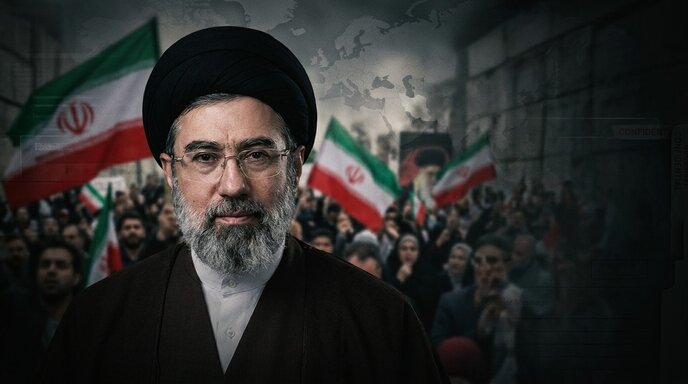
Iran’s Supreme Leader is reportedly hidden in a secret location as U.S. intelligence claims an elaborate courier network is slowing communication inside the Iranian regime.
The report, first published by CBS News, says U.S. intelligence shows Iran’s Supreme Leader is in an undisclosed location with limited access to the outside world. According to U.S. officials cited in the report, he is allegedly reachable only through a complicated courier system, creating delays in U.S.-Iran deal talks.
The story has quickly gained attention because it is not just about one leader’s location. It is about secrecy, power, war pressure, and the difficulty of negotiating with a government whose top decision-maker may be physically hidden and hard to reach.
What U.S. Intelligence Reportedly Says About the Supreme Leader
According to CBS News, U.S. intelligence indicates that Iran’s Supreme Leader is effectively holed up in an undisclosed location, with little access to the outside world. The report says communication with him is being handled through a “labyrinth of couriers,” making it difficult for Iranian officials to receive and deliver messages quickly. CBS News
CBS also reported that when the U.S. sends proposed details related to a possible deal with Iran, the difficulty of reaching the Supreme Leader can cause long delays before Washington receives a response.
The Times of Israel, reporting on the CBS story, emphasized that even some senior Iranian officials allegedly do not know the Supreme Leader’s location and cannot contact him directly. The outlet also highlighted the unusual nature of the communication delays, describing the situation through the dramatic “like a sitcom” quote from a U.S. official cited in the CBS report. The Times of Israel
The Jerusalem Post also covered the story, focusing on the claim that Mojtaba Khamenei is hidden without normal access to the outside world and that this communication problem is affecting negotiations.
Why the Supreme Leader’s Location Matters
The Supreme Leader is not just a symbolic figure in Iran’s political system. The position carries major influence over foreign policy, national security, military direction, and the limits of negotiation.
That is why the reported secrecy around his location matters. If the Supreme Leader is difficult to reach, then diplomats may not be able to get quick answers. Negotiators may have to wait for approval. Officials may be unsure how far they can go in discussions. Even small delays can become major problems when talks involve war, sanctions, nuclear issues, or regional security.
The issue is not only whether Iran’s top leader is hidden. The bigger issue is whether the hidden location and courier system are slowing the decision-making process at a critical moment.
How the Courier Network May Be Slowing U.S. Deal Talks
The most striking detail in the report is the alleged courier network.
According to CBS News, messages are reportedly passed through couriers to protect the Supreme Leader’s location. The goal appears to be security. The cost, however, is speed. Officials cited by CBS said this system causes “latency” in responses because every piece of information takes time to reach him and return through the same protected process.
In normal diplomatic talks, both sides need quick feedback. If one side proposes a condition, the other side must review it, approve it, reject it, or suggest changes. If the final decision-maker is isolated, every stage of that process becomes slower.
This is why the story has become more than a headline about hiding. It is now a story about how secrecy can affect diplomacy.
The Times of Israel reported that the courier system is designed to keep the Supreme Leader’s location hidden while still allowing him to give broad instructions to negotiators. That means Iranian officials may have general guidance, but they may still need final approval on sensitive points.
Why Iran’s Leadership Is Reportedly Operating in Secrecy
The reported secrecy appears to be linked to security fears.
CBS News reported that U.S. and Israeli intelligence had allegedly obtained information from inside the Iranian government during the war, making it possible to locate parts of Iran’s senior leadership. The same report says many Iranian leaders are spending long periods inside fortified bunkers and avoiding unnecessary communication.
If these claims are accurate, the Iranian leadership may believe that limiting communication and hiding locations are necessary to avoid being tracked. However, such extreme caution can also weaken coordination.
This creates a difficult situation for any government. The more leaders try to protect themselves, the harder it can become for them to communicate. The harder they communicate, the slower decisions become. In a fast-moving conflict or negotiation, slow decisions can change everything.
What This Means for U.S.-Iran Negotiations
The reported hidden location of the Supreme Leader could affect U.S.-Iran talks in several ways.
First, it may slow down final decisions. If Iranian negotiators cannot quickly reach the top authority, they may struggle to confirm deal points.
Second, it may create confusion about who has real authority. If the Supreme Leader gives only broad instructions, other officials may disagree on how to interpret those instructions.
Third, it may increase mistrust. The U.S. may question whether Iranian negotiators can deliver on promises if they cannot easily get approval from the country’s highest authority.
Fourth, it may affect public perception. When reports say a country’s top leader is hidden, unreachable, or communicating through couriers, people may begin to question the stability of that government’s command structure.
CBS reported that a senior administration official said the Supreme Leader had agreed to the general contours of a current draft agreement, while final details were still being awaited. That detail is important because it suggests talks may still be moving forward, even if slowly.
What Remains Unclear
There are still important questions that have not been fully answered.
The report is based on U.S. intelligence and officials familiar with the matter. Iran has not publicly confirmed the full details of the alleged courier network or the Supreme Leader’s exact location. CBS also reported that a White House spokesperson declined to comment on intelligence about the Supreme Leader’s whereabouts or Iranian communication methods.
This means the story should be treated carefully. The reports are serious, but readers should understand that many details are based on intelligence claims and unnamed officials.
What is clear is that major news outlets are now focusing on the same core issue: Iran’s leadership is reportedly operating under extreme secrecy, and that secrecy may be slowing communication during sensitive U.S.-Iran deal talks.
Conclusion
The report that Iran’s Supreme Leader is hidden in a secret location has become a major talking point because it connects directly to U.S.-Iran deal talks.
According to CBS News and other outlets reporting on the story, U.S. intelligence suggests that the Supreme Leader is being reached through a courier network designed to protect his location. That system may be keeping him safe, but it may also be slowing diplomatic communication at a critical moment.
The bigger issue is not only where the Supreme Leader is. The bigger issue is whether Iran’s leadership can make fast, clear decisions while operating under heavy secrecy.
Until more official details emerge, the story remains a powerful example of how security fears, hidden leadership, and slow communication can shape international diplomacy.
Also Read: Inside the North Korean Remote IT Worker Scheme in 2025
External Sources Used
- CBS News report on U.S. intelligence and Iran’s Supreme Leader.
- Times of Israel report on the courier network and bunker secrecy.
- Jerusalem Post coverage of the same intelligence claims.